


How to Eliminate Ants From Kitchen for Good
- RIZON PEST SOLUTIONS
- Aug 7
- 5 min read
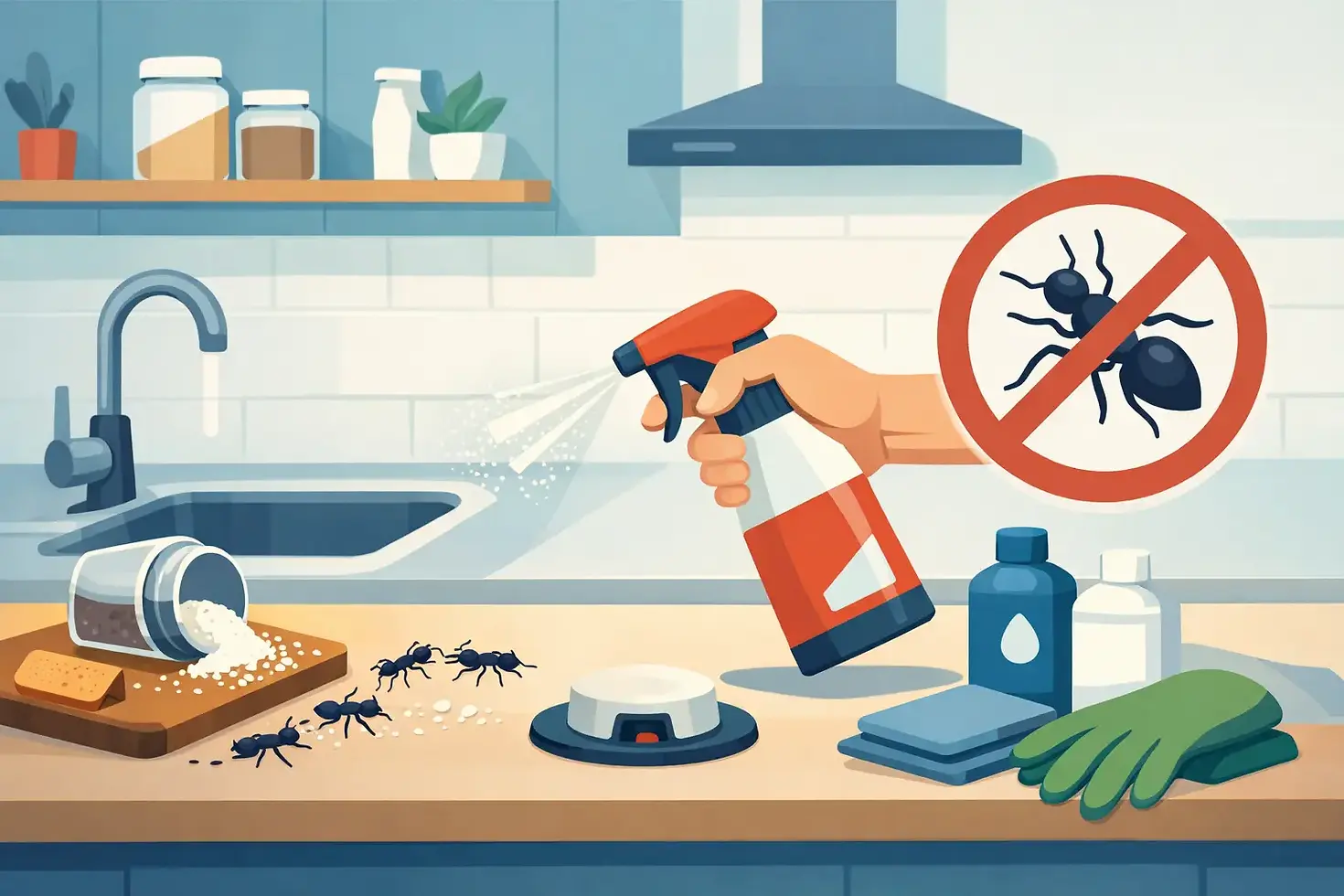
A line of ants moving from the backsplash to the pet bowl is not just a cleaning annoyance. It is evidence that a colony has found food, water, and a reliable route inside. The question of how to eliminate ants from kitchen spaces starts with stopping that route, but lasting control means finding the conditions that invited them in.
In Modesto and across the Central Valley, warm weather can keep ant activity moving for much of the year. A few scout ants may appear after a spill or rain event, while repeated trails often point to an established colony in the yard, wall void, slab edge, or nearby landscaping. Killing the ants you see can provide temporary relief. Eliminating the problem requires a more complete plan.
Identify What Is Bringing Ants Into the Kitchen
Ants do not enter at random. Scouts search for food and moisture, then leave a scent trail that tells the rest of the colony exactly where to go. Once a trail is active, a kitchen can become a dependable feeding station within hours.
Sweet residue is a common attractant, but it is not the only one. Ants also feed on grease, crumbs, pantry staples, pet food, fruit, and the residue left on recycling containers. Even a clean-looking counter can have enough food residue around an appliance, cabinet pull, or floor edge to maintain activity.
Water is just as important. Check beneath the sink, behind the refrigerator, around dishwasher connections, and near the coffee maker. A slow plumbing leak, sweating pipe, damp cabinet base, or condensation can supply a colony with the moisture it needs. These conditions should be corrected promptly because persistent moisture can also contribute to wood deterioration and attract other pests.
How to Eliminate Ants From Kitchen Trails
Start by removing the active trail rather than simply wiping around it. Clean the ants and the surfaces they traveled with warm soapy water or a household surface cleaner. Pay close attention to baseboards, countertop seams, backsplash edges, windowsills, and the underside of cabinets. The goal is to remove food residue and disrupt the scent trail that guides more workers inside.
Then make the kitchen harder to feed in. Wipe counters after every meal, sweep or vacuum floor edges, rinse cans and bottles before placing them in recycling, and take trash out regularly. Store cereal, flour, sugar, snacks, and pet food in sealed containers. Do not leave ripe fruit exposed if it is attracting activity.
This is not about maintaining a perfect home. It is about removing the consistent food sources that allow a small scouting event to become a daily trail. In rental properties and commercial kitchens, this step also requires everyone using the space to follow the same routine. One open bag of snacks in a break room can undermine the rest of the effort.
Follow the Ants Before You Treat
Watch where the trail begins and ends. Ants often enter through tiny gaps around plumbing lines, electrical penetrations, window frames, door thresholds, and cracks where cabinets meet walls. Outside, the source may be near a foundation crack, mulch bed, irrigation line, tree branch, fence line, or slab expansion joint.
Do not assume the nest is directly under the kitchen. Many ants travel surprising distances between a food source and their colony. Following their movement helps determine whether the activity is coming from outdoors, from a wall void, or from a moisture-prone area under the structure.
Use Ant Baits Carefully, Not Just Contact Sprays
Aerosol sprays can kill visible worker ants quickly, but they often do not reach the colony. In some situations, spraying a trail causes ants to scatter and establish new routes, making the problem more difficult to track. It may also interfere with bait placement if workers avoid the treated area.
Ant bait works differently. Workers carry it back to share with other ants, including the colony members that never appear in your kitchen. Foraging preferences vary by species and season. Ants may prefer sweet bait at one time and protein or grease-based bait at another, so a bait that is ignored is not always a sign that there is no infestation.
Place bait only where children and pets cannot reach it, and follow the product label exactly. Avoid spraying directly around bait stations. Be patient as well. It can take several days for bait activity to reduce because workers must carry the material back through the colony.
For a small, isolated trail, sanitation and properly placed bait may be enough. When ants repeatedly return, emerge from wall voids, or appear in several rooms, a professional inspection is the better next step. The colony may be established in an area that cannot be reached effectively with store-bought products.
Seal Entry Points After Activity Drops
Exclusion is one of the most practical parts of long-term ant control. Once active foraging has been reduced, seal accessible openings around utility lines, door frames, windows, cabinets, and foundation penetrations. Repair torn weatherstripping, damaged screens, and gaps around exterior doors.
Outside maintenance matters too. Keep shrubs and tree branches from touching the structure, since vegetation can act as a bridge for ants. Avoid placing mulch heavily against the foundation, and correct irrigation problems that keep soil constantly wet next to the home. A leaking hose bib or overwatered planting bed can support ant activity close to the building.
Sealing alone is not always a complete fix. If an active colony is already inside a void, ants may find another exit route. That is why exclusion works best alongside inspection, colony-focused treatment, and correction of food and moisture conditions.
Know When Ants Point to a Larger Property Issue
Most kitchen ants are nuisance pests, but recurring activity can reveal a property maintenance concern. Carpenter ants, for example, are attracted to damp or damaged wood and may excavate galleries in compromised building materials. They do not consume wood the way termites do, but their presence can be a warning to inspect for leaks, rot, or moisture damage.
Ants can also become a significant sanitation issue in food-service settings, offices, multifamily properties, and homes being prepared for sale. Visible trails around food or sink areas can affect customer confidence, tenant satisfaction, and a real-estate transaction. Fast treatment matters, but documentation of contributing conditions matters too.
A qualified pest professional should identify the ant activity, inspect likely entry points, assess moisture and sanitation conditions, and recommend treatment that fits the property. Integrated pest management, or IPM, combines targeted control with practical changes that reduce the chance of repeat infestations. It is usually a better investment than repeatedly buying sprays that only affect the workers on the counter.
When to Call for Professional Ant Control
Call for help when ants continue to appear after cleaning and baiting, when you cannot find the entry point, or when activity spreads beyond the kitchen. Professional service is also appropriate if ants are appearing around electrical outlets, inside cabinets, beneath flooring, or near damaged wood and plumbing leaks.
Rizon Pest Solutions approaches ant control as part of property care, not a one-time spray. A thorough inspection can identify the active ant route along with the moisture, structural gaps, vegetation contact, or sanitation conditions allowing it to continue. Treatment can then focus on the colony while exclusion and maintenance recommendations help protect the home or business afterward.
Do not wait for a few scouts to become a daily kitchen routine. Clean the trail, remove the food and moisture source, and watch for the entry point. If the ants keep finding a way back, that is your signal to address the property conditions behind the problem.



Comments